Best Fins for Outboard Motors: Hydrofoil Stabilizers for Smoother, Efficient Rides
For boaters seeking quicker planing, steadier handling, and better fuel efficiency, hydrofoil stabilizers are a practical upgrade. These fins attach to outboard motors and stern drives to reduce bow rise, stabilize the hull, and improve overall ride quality at speed. This guide highlights five strong options that suit a range of engines from 5 to 150 horsepower, helping buyers pick the best fit for their boat and typical water conditions.
Who should consider these fins? Anglers needing stable starts, weekend cruisers chasing smoother rides, and anyone seeking improved planing performance without major hull modifications will benefit. The top picks below are selected for compatibility with common brands, durable materials, and straightforward installation. A quick comparison table follows to summarize core specs at a glance.
| Product | Engine Range | Material | Best For | Limitations |
|---|---|---|---|---|
| GluckMarine HS001 Dorsal-Fin | 5-150 HP | UV-Resistant Nylon-PA66, SS316 bolts | Balanced stability and fuel efficiency | Requires proper mounting hardware for some installations |
| QNCKJZV Universal Whale Tail | 5-150 HP | PA66 plastic | Front-end lift reduction, smoother wake handling | Classic black finish may show wear |
| STINGRAY Classic Senior 2 | 40-300 HP | Durable construction (usa-made) | High-HP stability and quick planing | Higher HP range, may be overkill for small boats |
| UANOFCN FO2001 | 5-150 HP | PA66 Plastic | New outboard driving experience, easy install | Plastic body may wear with rough handling |
| QUICKMARINER Doel-Fin Grey | 5-150 HP | PA66 Plastic | Fuel savings, smoother ride | Grey color similar to black variants, care in appearance |
GluckMarine HS001 Dorsal-Fin Hydrofoil Stabilizer

The HS001 Stabilizer is designed for 5-150 HP outboards and stern drives. It uses UV-resistant nylon-PA66 with SS316 bolts for durability. Best for boaters seeking a robust, direct-install solution that improves planing performance and reduces bow rise. It can help maintain lower planning speeds and increase overall fuel efficiency. Consider this option if you want a no-drill or simple install with solid corrosion resistance.
Who it’s best for: boat owners needing a durable, mid-range hydrofoil for common brands like Mercury, Yamaha, Honda, and more. Why selected: balanced lift and stability, with long-lasting hardware. Caution: ensure proper bolt torque to avoid loosening under heavy vibration over time.
Universal Whale Tail Hydrofoil Kit (Classic Black)
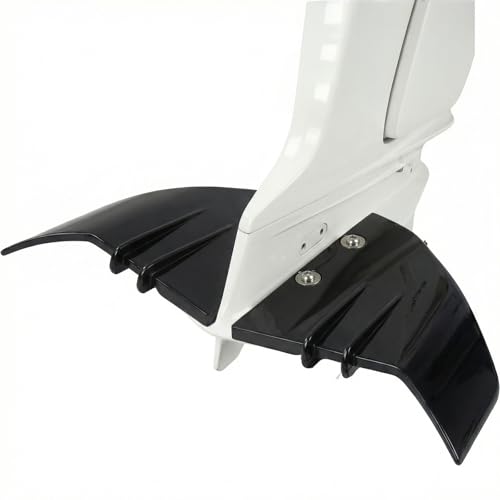
This Universal Whale Tail Fin Kit is built for 5-150 HP outboards and stern drives. The kit features a classic black finish and a sized fit of H: 7.5″ and W: 7″. It targets enhanced stability by reducing front-end lift during acceleration and improves wave handling for a smoother ride. Best for smaller-to-mid-size boats that need dependable performance without drilling.
Who it’s best for: budget-conscious skippers seeking easy retrofit with reliable stabilization. Why selected: straightforward sizing and broad compatibility. Caution: ensure your mounting area accommodates the 7.5″ height and 7″ width without interfering with propeller or cavitation plates.
STINGRAY Classic Senior 2 Hydrofoils

The STINGRAY Classic Senior 2 suits 40-300 HP engines and is noted for higher lift and stability. No-drill installation and a design focused on reducing vibration, chine-walking, and porpoising. Best for boats operating at higher speeds or requiring robust stabilization for larger engines. Pick this when maximum lift and durability are priorities.
Who it’s best for: owners of mid-to-large rigs seeking strong lift and steadier handling. Why selected: renowned for stability and reliability in heavier-hull applications. Caution: at the upper HP range, ensure your hull and mounting points can accommodate the increased lift forces.
UanofCn FO2001 Hydrofoil Stabilizer

The FO2001 model uses PA66 plastic with a 10-1/4 inch by 8-1/4 inch footprint, compatible with 5-150 HP motors and stern drives. It offers a straightforward installation and a noticeable improvement in planing dynamics. Best for boaters who want a simple upgrade that delivers smoother acceleration and better stability at speed. Caution: ensure the mounting hardware and boat mounting area match the fin’s dimensions for a secure fit.
QuickMarine PA66 Doel-Fin Stabilizer (Grey)
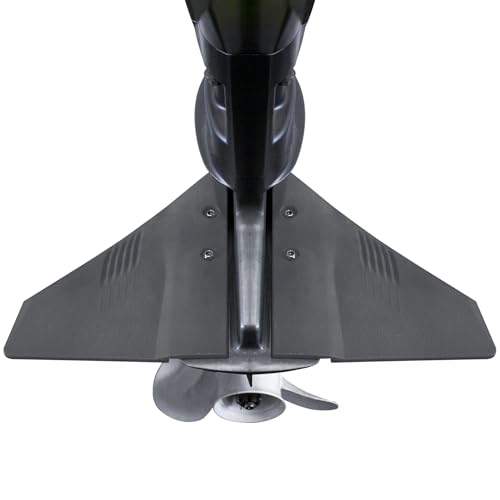
This QuickMarine Doel-Fin Stabilizer uses UV-resistant PA66 plastic and is designed for 5-150 HP engines. The grey version mirrors the black variant in setup and performance, offering fuel savings, better rough-water handling, cavitation reduction, and a smoother ride. Best for cost-effective upgrades that still deliver noticeable gains in efficiency and control. Caution: color may appear lighter or darker depending on lighting and wear over time.
Doel-Fin Hydrofoil Stabilizer for 5-150 HP (NorthBoat)

The NorthBoat Doel-Fin stabilizer fits most 5 HP and larger outboards, excluding Volvo Penta outdrives. Its H: 10-1/4″ and W: 8-1/4″ footprint aims to lift the stern to improve planing and stability. Best for boats that need clear stern lift and enhanced handling during acceleration. Caution: verify compatibility with your specific engine and mounting points to avoid interference with other equipment.
QUICKMARINER Doel-Fin Grey (Second Listing)

Featuring the same Doel-Fin design philosophy as the other QuickMarine options, this model emphasizes UV-resistant PA66 plastic and easy installation for 5-150 HP engines. Best for boaters prioritizing straightforward upgrades with noticeable ride improvements and fuel efficiency. Caution: color and finish may vary slightly between batches.
Buying Guide
What should you consider when choosing a hydrofoil stabilizer?
- Engine compatibility: Most products target 5-150 HP, with some higher-HP options. Match the HP rating to your motor and stern drive setup.
- Material and durability: UV-resistant PA66 or similar plastics with stainless bolts offer long-term corrosion resistance. Consider your water conditions and exposure to sun.
- Size and fit: Confirm the stabilizer’s height and width (commonly around 10-1/4″ x 8-1/4″) to avoid clearances with props, cavitation plates, and mounting points.
- Installation effort: Some models are drill-free or easy to attach; others may require mounting hardware. Plan for basic tools and secure fastening.
- Performance goals: If you want quicker planing and less bow rise, prioritize models marketed for stability and lift. For rough-water handling, pick options highlighting reduced cavitation and chinewalking.
- Boat size and speed: Higher HP and larger hulls tend to benefit from stronger lift fins, such as the StingRay Classic Senior 2, while smaller boats can be well-served by mid-range options.
Comparison At a Glance
- Best for: Immediate planing improvement and mid-range engines — GluckMarine HS001, UANOCN FO2001, QuickMarine PA66 Doel-Fin.
- Better for high-HP boats — STINGRAY Classic Senior 2.
- Budget-friendly, easy install — Universal Whale Tail and QuickMarine Grey variants.
Frequently Asked Questions
- Do hydrofoil stabilizers really improve fuel efficiency? Yes, by reducing drag and helping the boat reach and stay on plane more efficiently in many conditions.
- Will these fins fit all outboard motors? Compatibility varies; most listed products target 5-150 HP engines and stern drives, but you should verify fit with your specific model and mounting layout.
- Can I install these myself? Many are designed for DIY installation, often requiring simple mounting hardware. Some may need drilling or additional parts.
- Do hydrofoils reduce cavitation? Several models claim cavitation reduction as part of the improvement in stability and smoother ride, though results depend on boat and sea state.
- Are there any downsides to using hydrofoil stabilizers? In some cases, added lift can alter handling characteristics at very low speeds or in shallow water; test in a safe area before full use.
- What should I look for in mounting hardware? Stainless steel bolts and UV-resistant plastics offer better longevity in marine environments.