Best Fiberglass Boat Fairing Compound for Smooth, Strong Repairs
Top fiberglass boat fairing compounds restore dented hulls, fill holes, and create a smooth, paint-ready surface. This guide highlights five epoxy and polyester fillers that are ideal for fiberglass, wood, aluminum, and steel repairs. It targets boaters who want reliable, waterproof fixes above and below the waterline, plus DIYers tackling RV or automotive patches. The options below balance ease of use with durable results, helping you choose the right fairing compound for your project and skill level.
| Product | Best For |
|---|---|
| TotalBoat TotalFair 2 Pint Kit | Small-to-medium dents and gouges; easy touch-ups |
| TotalBoat TotalFair 2 Quart Kit | Medium repairs; larger fills and feathering |
| TotalBoat Polyester Structural Repair Putty (Quart) | High-strength bonding and bulkhead/fix forms |
| Phenolic Microballoons (Quart) | Lightweight fairing for easy sanding |
| Globalcom Fiberglass Repair Kit | All-around hull repairs, chips and cracks |
TotalBoat TotalFair Marine Epoxy Filler — 2 Pint Kit

Best for small, precise repairs on fiberglass, wood, aluminum, and steel. This two-part epoxy filler is designed to fill dents, holes, and gouges with a smooth, waterproof finish. It cures to a pinhole-free bond, making it suitable above and below waterline. The new formula uses a simple 1:1 mix—blue and yellow components turn green, simplifying measurement and application. This kit is favored for quick fixes and light DIY projects, especially where a strong, waterproof repair is needed without heavy sag on vertical surfaces.
Who it’s for: boat owners performing minor hull repairs, RV or auto enthusiasts patching small damaged areas. Caution: best for filling smaller voids; larger structural rebuilds may require higher-volume fillers.
TotalBoat TotalFair Marine Epoxy Filler — 2 Gallon Kit

Best for larger repairs where more material is needed and feathering becomes critical. This 2-gallon kit provides a high-strength epoxy filler capable of filling bigger dents and gouges while maintaining a smooth finish. It shares the 1:1 mix ratio and waterproof cure, making it suitable for decks, hulls, and areas that experience exposure to water and weather. Use above or below waterline for long-lasting repairs.
Who it’s for: boatyards, larger repair jobs, and DIYers tackling substantial hull work. Caution: larger quantities require more workspace and longer curing times, so plan for adequate ventilation and patience.
TotalBoat Polyester Structural Repair Putty — Quart

Best for high-strength structural filling and bonding. This marine-grade putty uses long-strand fiberglass reinforcement and premium polyester resin for durability and elasticity. It’s suitable for bonding decks, stringers, and bulkheads, as well as filing holes and dents. The paste-like consistency spreads smoothly and resists sagging, especially on vertical surfaces. The kit typically requires catalyst for the stated working time, enabling precise control over cure and shaping.
Who it’s for: builders and repair technicians performing structural fills, deck bonding, or bulkhead work. Caution: requires catalyst control to manage working time and curing rate.
TotalBoat Polyester Structural Repair Putty — Gallon

Best for large-volume structural repairs and heavy-duty bonding scenarios. The gallon version provides ample material for extensive hull work, bulkhead fittings, and long-term repairs where body strength and elasticity matter. It preserves a paste-like consistency for easy spreading and resists sagging on vertical areas. Uses a 1% MEKP catalyst to achieve 15–20 minutes of working time at 70°F, with the option to adjust cure speed by varying catalyst quantity.
Who it’s for: professional shops and serious DIYers tackling substantial hull or deck repairs. Caution: heavier volumes demand careful ventilation and longer cure times.
3M Perfect-It Gelcoat Medium Cutting Compound + Wax
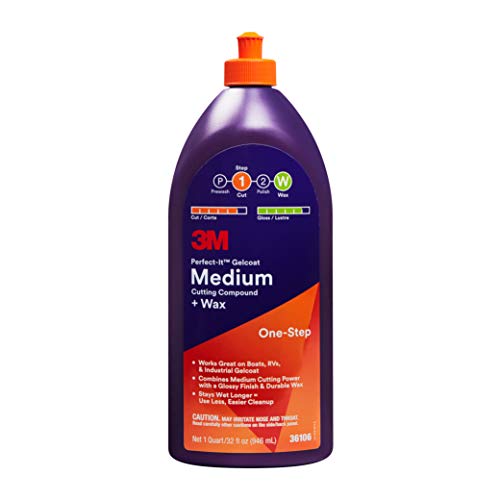
Best for gelcoat finishing after fairing. This compound polishes moderate oxidation and scratches while applying wax in one step, helping gelcoat and fiberglass surfaces regain gloss. It is formulated for boats and RVs, providing a balance of cutting power and protective wax. Use on gelcoats and fiberglass carefully to avoid over-polishing sensitive areas.
Who it’s for: sailors and RV owners seeking a single-step finish that smooths, polishes, and seals. Caution: not a filler; use after fairing for final finish and protection.
Phenolic Microballoons — 1 Quart

Best for lightweight fairing and easy sanding. Phenolic microballoons reduce epoxy density, creating a low-density filler ideal for hulls, decks, and fiberglass repairs that require minimal weight addition. Optimized for epoxy systems, it helps fill pinholes, cracks, seams, and imperfections with smoother sanding results.
Who it’s for: builders focusing on light, easy-to-sand fairing compounds. Caution: lower density means it’s best for cosmetic fairing rather than heavy structural loads alone.
Globalcom Fiberglass Fiberglass Repair Kit White

Best for a complete fiberglass repair solution that covers chips, cracks, pits, and holes. This kit emphasizes strong adhesion, UV resistance, and waterproof performance. It’s designed for multiple watercraft types, offering an all-in-one option for quick fixes and maintenance. The application process involves cleaning, masking, mixing Part A and Part B 1:1, applying, curing, and sanding for a smooth finish.
Who it’s for: DIYers seeking an all-in-one repair kit for general fiberglass hull upkeep. Caution: performance depends on proper surface prep and cure conditions.
Buying Guide
What to consider when choosing a fiberglass fairing compound:
- Material type: Epoxy fillers offer strong, waterproof bonds; polyester putties can be easier to sand but may require more careful moisture management.
- Volume needs: Small repairs suit 2-pint or quart kits; substantial hull work benefits from gallon sizes or multiple components.
- Surface compatibility: Ensure the product is suitable for fiberglass, plus any wood, aluminum, or steel surrounding the repair site.
- Working time: Some formulations require catalysts; plan curing time around project deadlines and climate conditions.
- Finish requirements: For final polish and protection, consider a compatible gelcoat or wax finish after fairing.
- Ease of use: 1:1 mix ratios simplify mixing; consider pre-thickened or easy-to-scoop formulations for vertical surfaces.
FAQ
- Q: Can I use epoxy fairing fillers under waterline conditions? A: Yes, many TotalBoat TotalFair products are designed for above and below waterline use when fully cured according to instructions.
- Q: Do I need a catalyst for polyester putties? A: Some formulations require MEKP to control working time; follow the product’s catalyst guidance for best results.
- Q: Which product is best for large deck repairs? A: A larger-volume epoxy filler, such as the TotalBoat 2 Gallon Kit, provides sufficient material for substantial deck patches and feathering.
- Q: Are these fillers waterproof after cure? A: Most listed epoxy fillers cure waterproof, while polyester putties are designed for water-exposure areas with proper curing.
- Q: How should I prepare the surface before applying fairing compound? A: Clean and dry the area, remove loose paint or damaged coatings, and mask surrounding surfaces to prevent sags and adhesion issues.
- Q: How long does curing take? A: Curing times vary by product and temperature; consult the container for exact times and adjust for climate.