Best Digital Antenna Marine VHF Antennas for Clearer Boat Communications
Answer: For reliable marine VHF communication, choose a rugged, fiberglass or brass-radiator antenna with good gain and solid mounting options. This guide highlights five top digital/modern VHF antennas that balance height, gain, and installation practicality, helping select the best fit for coastal skippers, serious anglers, and small-crew vessels. The top picks favor durability, marine-grade construction, and straightforward mounting. Buyers seeking longer-range performance, easy installation, or compact profiles will find clear comparisons below. A quick reference table follows the product sections to summarize key specs at a glance.
Summary table of chosen products (quick compare):
- Digital Antenna 529-VW-S: 8 ft, high-glass finish, soldered connections.
- Digital Antenna 528-VW: 4 ft, 4 dB gain, brass radiators, soldered joints.
- Digital Yacht GV30: VHF/AIS/GPS combo, high value, premium feel.
- Shakespeare 5225-XT-RL: 8 ft, 6 dB gain, brass/copper for range.
- HYS Low-Profile 156-163 MHz: compact, 2 dBi gain, included premium coax.
Digital Antenna 529-VW-S 8-Ft VHF Antenna
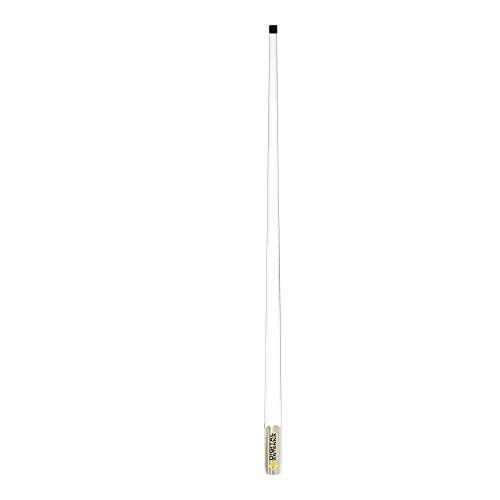
- Brand: Digital Antenna
- Length: 8 ft
- Finish: High-glass
- Connections: Solder
This model is best for sailors needing a taller, high-gloss vertical with robust soldered connections, suitable for boats where a longer reach improves line-of-sight to distant shore stations. Choose this if you operate in open water or require stronger performance in marginal conditions. A potential limitation is the longer footprint that may require more mounting space and a stable base.
Digital Antenna 528-VW White VHF Antenna, 4′ 4dB

- Brand: Digital Antenna
- Length: 4 ft
- Gain: 4 dB
- Construction: Brass radiators, soldered connections, ferrite choke
Best for compact setups where deck space is limited but reliable reception is needed. This shorter antenna provides solid gain for mid-sized vessels or dinghies with cabin cruiser utility. It is a good choice when space constraints trump very long-range considerations. Limitation: shorter height may reduce reach compared to taller models in heavy chop or far-water conditions.
Digital Yacht GV30 VHF/AIS/GPS Combo Antenna

- Brand: Digital Yacht
- Type: VHF/AIS/GPS combo
- Value: Premium feature set with versatile integration
- Notes: Broad compatibility across marine radio systems
Best for skippers seeking an all-in-one antenna solution that covers VHF with AIS and GPS alongside the radio. The GV30 can reduce clutter by consolidating multiple needs into a single mount. Choose this if AIS/GPS coupling is a priority and you want reduced hardware footprint. Limitation:_combo antennas may require compatible radio interfaces and can be more complex to install than single-band models.
HYS VHF Marine Antenna Waterproof 3dBi 43.3in

- Brand: HYS
- Height: ~43.3 inches
- Gain: 3.0 dBi
- Cable: 22.9 ft RG58 included
Best for budget-conscious buyers who want a sturdy fiberglass needle with a long coax run for flexible installation. It is a good match for mid-sized boats needing reliable coverage without a large footprint. Caution: 3 dBi gain is modest compared with some taller, high-gain models, so plan for typical range versus water conditions.
UAYESOK VHF Marine Base Antenna, 48 Inch Fiberglass
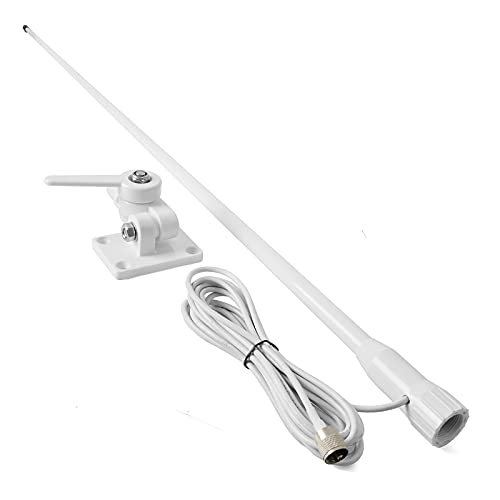
- Brand: UAYESOK
- Height: 48 inches
- Coax: 7 m RG-58U
- Finish: Anti-corrosion fiberglass, glossy
Best for medium-sized boats requiring a robust fiberglass profile with a long RG-58U lead for flexible mounting. Choose this if you need easy base mounting and a longer run for clearer reception. Limitation: 2Dbi gain is relatively modest; performance may depend on installation quality and surrounding interference.
Arridioter VHF Marine Antenna, 43.5in with 7m Cable

- Brand: Arridioter
- Frequency: 156-163 MHz
- Height: 43.5 inches
- Cable: 7m RG-58 with PL259 adapter
Best for ships needing a durable 43-inch fiberglass antenna with a long coax option and a flexible fixed-mount base. Choose this if ship-to-ship and ship-to-shore communications are crucial. Limitation: Not a pure 4 dB or higher gain option; performance relies on overall system design.
Buying Guide
What matters most when choosing a marine VHF antenna?
- Frequency range and gain: Look for 156-163 MHz coverage. Higher gain (dBi) increases range but often with a longer, taller antenna. Pick a balance that fits your boat size and typical voyage length.
- Height and footprint: Taller antennas improve line-of-sight, especially in open water. Shorter, low-profile options fit small cabins or crowded cockpit spaces.
- Construction and durability: Fiberglass bodies resist corrosion and vibration. Brass radiators or brass/copper elements can improve signal efficiency but may require more care in salt air.
- Coaxial cable and connectors: Premium, low-loss RG-58 or similar cables help maintain signal integrity. Ensure PL259 or other connectors match your radio mount.
- Installation considerations: Some models ship with fixed mounts, adjustable ratchets, or integrated bases. Consider existing mounting hardware and space on your vessel.
- Combination antennas: If you need AIS or GPS, evaluate a combo unit to reduce clutter, but confirm compatibility with your radios and navigation gear.
How to choose by boat type
- Small boats or kayaks: Short, compact antennas with solid deck mounting.
- Saltwater sport boats: Durable fiberglass or high-gloss options with good COAX runs to the console.
- Large vessels or offshore cruising: Taller antennas with higher gain for long-range reach and robust mounting hardware.
Installation tips
- Secure mounting: Use vibration-resistant bases and avoid mounting near radar or other HF devices that can cause interference.
- Cable routing: Keep coax away from power lines to minimize noise. Use ferrite chokes where applicable.
- Weatherproofing: Ensure seals are watertight at mounting points and connectors are protected from corrosion.
FAQ
- Q: Do I need a high-gain antenna for coastal cruising? A: Higher gain helps in long-range reception, but consider height, space, and mounting practicality for your boat size.
- Q: Are combo VHF/AIS/GPS antennas worth it? A: They reduce clutter but require compatible equipment and careful installation to avoid interference.
- Q: How important is the coax length? A: Longer coax can introduce losses; use the minimum length required for your installation and choose low-loss cable.
- Q: Can I install these antennas myself? A: Yes, with basic tools and careful waterproofing, but follow manufacturer mounting and grounding recommendations.
- Q: What maintenance is needed? A: Periodic inspection for corrosion, loose fittings, and weather seal integrity; clean mast bases and connectors as needed.
- Q: Which antenna is best for a small sailboat? A: A 4 ft or shorter model with solid mounting and low-profile design typically fits small cockpits while maintaining good reception.