Best Epoxy Paints for Aluminum Boats and Hull Coatings
Answering the most common buyer question: which epoxy-based coatings provide lasting corrosion protection and easy maintenance for aluminum hulls and pontoons? The top picks below are tailored for aluminum boats, jon boats, canoes, and related aluminum craft. They balance durability, ease of application, and compatibility with other bottom paints. This guide highlights five products best for aluminum surfaces, plus clear reasons to choose each one.
| Product | Best For | Notes |
|---|---|---|
| TotalBoat Aluminum Boat Barrier Coat (Gallon, Gray) | High-build protection for aluminum hulls | Two-component epoxy primer/barrier coat; fast-drying; can be overcoated |
| TotalBoat Aluminum Boat Paint (Quart) | Hull finish with strong chemical and abrasion resistance | No priming needed; adhesion on aluminum and galvanized metal |
| TotalBoat Aluminum Boat Barrier Coat (Quart, Gray) | Spot or smaller-area corrosion protection | Same epoxy barrier concept in a quart size |
| Fasco Epoxies Super Slick 2000 Epoxy Bottom Coating | Ultra-slick, low-drag bottom protection | Two-part epoxy with PTFE additives for reduced drag |
| Travaco RM330K Gluvit Waterproof Epoxy Sealer | Sealing leaks and seams on aluminum hulls | Barrier sealer suitable for aluminum, fiberglass, and steel |
TotalBoat Aluminum Boat Barrier Coat (Gallon, Gray)

This two-component epoxy primer and barrier coat provides excellent corrosion protection for aluminum hulls and pontoons. It is designed to overcoat with bottom paints or other 1- and 2-part paints, offering strong adhesion and durable underwater protection. Best for aluminum hulls on boats used in saltwater and fresh water environments, and for long-term protection against galvanic corrosion.
Who this is best for: boat owners seeking a robust, marine-grade barrier coat that can serve as a solid foundation before applying additional bottom coatings. It’s especially suitable for aluminum hulls that face frequent exposure to water and debris. Benefit: fast-drying with no sanding required between coats, speeding up maintenance cycles.
Caution: ensure proper surface preparation and follow two-part mixing instructions; improper mixing or moisture exposure before full cure can affect adhesion. Data notes indicate compatibility with other paints, but always test a small area before wide application.
TotalBoat Aluminum Boat Paint (Quart)
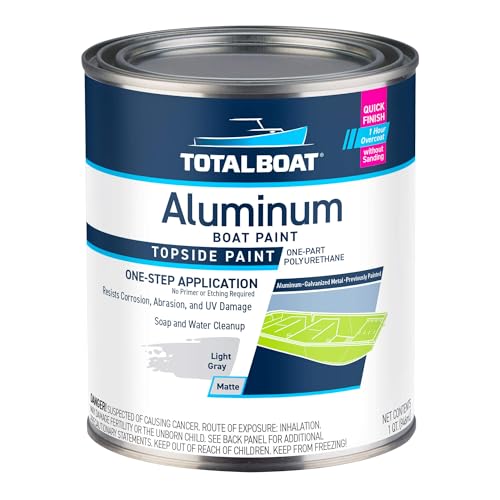
This one-part polyurethane paint is specifically formulated for aluminum boats. It delivers a low-sheen finish with improved resistance to chips, scratches, lifting, and chemical damage. No priming required, and you can apply 2-3 coats by brushing, rolling, or spraying. Overcoat time is fast, typically within an hour at 72°F, which helps boating schedules stay on track.
Who this is best for: boat owners who want a simpler, ready-to-use coating that adheres well to aluminum without a separate primer step. Choose this if you value a straightforward application and a lightly glossy, durable finish for aluminum canoes, dinghies, pontoon boats, trailers, and hunting setups.
Caution: for best results, prep surfaces with TotalBoat Aluminum Boat Etch Wash to maximize adhesion; avoid applying in high humidity or extreme temperatures for optimal cure.
TotalBoat Aluminum Boat Barrier Coat (Quart, Gray)

This quart-size barrier coat mirrors the gallon version, offering the same high-build two-component epoxy primer and barrier protection for aluminum hulls and pontoons. It’s designed to provide superior corrosion prevention on all underwater metals. It dries quickly with no sanding required between coats, making it a practical choice for spot repairs or smaller projects.
Who this is best for: boat operators needing targeted barrier protection on aluminum surfaces without committing to a larger package. It’s particularly useful for maintenance cycles where a quick recoat is anticipated.
Caution: as with other epoxy systems, ensure complete mixing and uniform application; avoid weather extremes during curing to prevent pinholes or inconsistent film formation.
Fasco Epoxies Super Slick 2000 Epoxy Bottom Coating

This premium two-part epoxy bottom coating features PTFE and friction-reducing additives for an exceptionally slick finish that lowers drag and improves glide across varied underwater substrates like grass, mud, sand, and water. It’s engineered for durability and abrasion resistance on aluminum hulls, fiberglass, PWCs, and other watercraft.
Who this is best for: boaters seeking maximum reduction in drag and improved fuel efficiency, especially for aluminum hulls in mixed-water environments. It’s a strong choice for vessels that require long-lasting protection in high-traffic water conditions.
Caution: the slick, low-friction surface may show more noticeable wear in sandy or rocky drag zones; follow application guidance for ideal film thickness and cure times to avoid micro-damage.
Travaco RM330K Gluvit Waterproof Epoxy Sealer
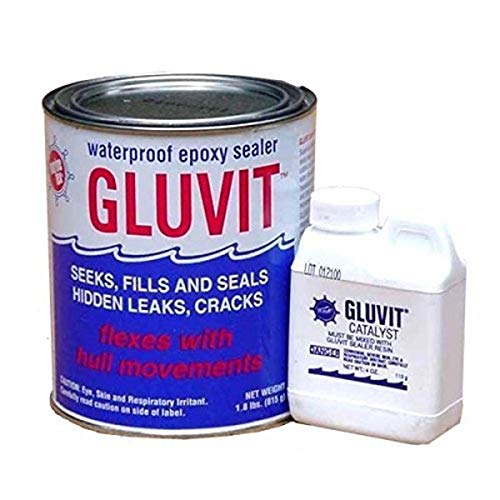
Gluvit is a barrier sealer intended to seal and protect hulls and decks, offering superior protection for aluminum, fiberglass, wood, and steel constructions. It seals leaky seams and rivets in aluminum hulls and helps mitigate leaks around fiberglass cabins or decks.
Who this is best for: aluminum boat owners facing minor to moderate seepage or seam vulnerability who want a dedicated sealing solution before or after a barrier coat. It provides a practical option for improving water tightness in vulnerable areas.
Caution: as a sealer, it’s not a primary wear surface; plan to topcoat with an appropriate paint or epoxy barrier for full hull protection when needed.
Buying Guide: Key Considerations for Aluminum Boat Epoxy Coatings
- Surface readiness: Aluminum boats benefit from proper etching, cleaning, and dryness before coating. Use recommended cleaners and etch washes to improve adhesion.
- Two-part vs one-part: Two-part epoxy barrier coats offer strong corrosion protection, but require accurate mixing and longer pot life. One-part paints are simpler but may require priming and more frequent maintenance.
- Finish and appearance: Consider gloss versus low-sheen finishes based on personal preference and patrol or hunting needs. A low-sheen finish can hide minor imperfections better than a high-gloss coat.
- Drying times: Temperature and humidity affect cure times. Plan coatings in appropriate weather windows to ensure proper film formation and sanding intervals where needed.
- Overcoating: Some epoxy barrier coats can be overcoated with bottom paints or other 1- and 2-part systems. Verify compatibility with your chosen topcoat to ensure long-term protection.
- Durability in environment: For saltwater use, select products with proven corrosion resistance and UV stability if exposed to sun; for freshwater, abrasion resistance and ease of cleaning may take priority.
Frequently Asked Questions
- What is the main advantage of a barrier coat on aluminum boats? It provides a robust corrosion barrier and improves adhesion for subsequent topcoats, extending hull life.
- Do I need to prime aluminum before applying epoxy paint? Some products are self-priming or provide barrier coats, but surface preparation is essential. Follow manufacturer guidance for the best results.
- Can I mix different epoxy products on the same hull? It’s best to test compatibility or consult product guidelines; mismatched chemistries can cause poor adhesion or film failure.
- How soon can I apply the next coat after painting? Check the product’s overcoat window. Many epoxy coatings allow quick recoat times, but temperature and humidity affect cure.
- Is epoxy paint safe for vinyl or rubber components on the boat? Most epoxy hull coatings are designed for metal surfaces; avoid contact with non-target materials unless specified.
- What maintenance helps extend epoxy coating life on aluminum? Regular cleaning, inspection for chips or cracks, and addressing damage promptly with compatible touch-up products.