Best Lithium Trolling Motor Battery for Kayak: Lightweight Power for Small Watercraft
The best lithium trolling motor batteries for kayaks are compact, lightweight, and designed to endure outdoor kayaking conditions. These batteries deliver longer runtimes, safer charging, and easier mounting compared with traditional lead-acid options. This guide highlights five top choices and explains who each is best for, plus practical trade-offs and setup tips.
Buyer snapshot: The following table summarizes the five featured batteries, including type, capacity, best use case, and notable perk or limitation. Use this as a quick reference to compare at a glance.
| Product | Capacity | Best For | |
|---|---|---|---|
| Renogy 12V 20Ah LiFePO4 | 20 Ah | Compact kayaks, emergency kits | Lightweight and efficient; 50% lighter than lead-acid; built-in BMS |
| Litime 12V 100Ah LiFePO4 | 100 Ah | Extended trips, heavier kayaks with higher power needs | Bluetooth monitoring, low-temp protections, high cycle life |
| Newport 12V 50Ah Deep Cycle AGM | 50 Ah | Simple, clean power setup on small boats | AGM, tested compatibility with trolling motors; lighter than many lead-acid options |
| 15 Ah | Backup power, light-duty trolling, accessories | LiFePO4 safety and long life; note smaller capacity | |
| 100 Ah | Versatile marine applications, expandable systems | Multiple ports; robust BMS and long cycle life |
Renogy 12V 20Ah LiFePO4 Battery
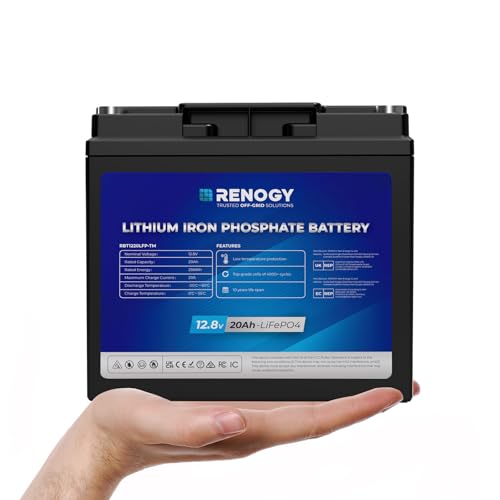
Features: A 50% lighter drop-in replacement for lead-acid, 37% longer runtime for devices like fish finders, scooters, and radios, plus 20+ built-in BMS protections with low-temp cut-off. Best for ultralight kayaks, short trips, and emergency kits. Caution: limited capacity means shorter runtimes for high-draw devices.
Who this is best for: Kayakers prioritizing light weight and compact size, with moderate power needs and a focus on safety features. Why selected: Thinner form factor and BMS protections suitable for small craft and portable setups. Limitation: Not ideal if you need long trolling motor runtime on a single charge.
Newport Trolling Motor Smart Battery Box Power Center
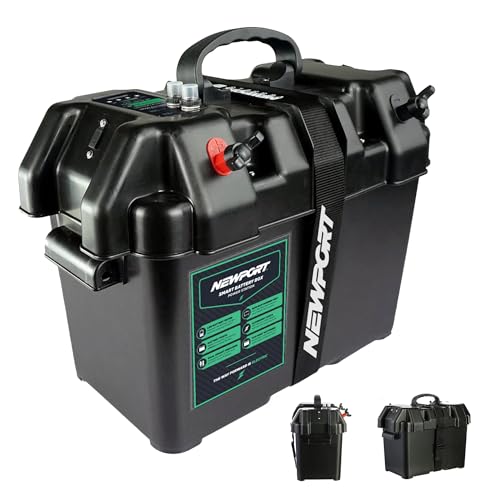
Features: A 12V power hub with USB and 12V DC ports, designed for simple kayak setups. External connections are easy, and it consolidates trolling motor and electronics in one secure package. Best for: Kayakers who want a clean, plug-and-play power solution with minimal wiring. Caution: Not a battery itself; requires an appropriate 12V battery to power the system.
Who this is best for: Kayakers seeking a tidy, portable power center to run a trolling motor and accessories without messy wiring. Why selected: It reduces clutter and makes system checks quick. Limitation: It does not provide the primary energy storage; pairing with a suitable battery is necessary.
Litime 12V 100Ah LiFePO4 Battery

Features: Bluetooth monitoring, low-temperature protection, 20+ safety protections, IP65 waterproof and salt-resistant. Best for: Kayakers who want remote battery management and strong cold-weather resilience. Caution: Larger size and weight; consider mounting and balance on the kayak before purchase.
Who this is best for: Those needing long-lasting power with smart monitoring and robust safety protections. Why selected: Combines high capacity with smart features and environmental protection. Limitation: Heavier than smaller packs; may require a larger mounting space on smaller kayaks.
Newport 12V50Ah Deep Cycle AGM Battery

Features: Lightweight for its class, sealed AGM construction, trolling motor compatible. Best for: Kayakers seeking a reliable, maintenance-free lead-acid option with lighter weight than traditional marine batteries. Caution: AGM is heavier than LiFePO4 equivalents and may offer shorter cycle life in repeated deep discharges.
Who this is best for: Those prioritizing a traditional, battle-tested chemistry with simple maintenance and solid reliability. Why selected: It provides a straightforward upgrade path from older lead-acid systems. Limitation: Not LiFePO4; expect fewer charging efficiency benefits and shorter cycle life than lithium options.
12.8V 100Ah Trolling Motor LiFePO4 Battery

Features: Lightweight 12.8V battery with low-temperature protection, 100Ah capacity, generous cycle life. Best for: Kayaks needing a balance of weight, capacity, and durable LiFePO4 chemistry. Caution: Ensure voltage compatibility with trolling motor and electronics at 12.8V system level.
Who this is best for: Kayakers who want a robust, high-capacity power source with safety protections and a relatively light form factor. Why selected: High capacity and a wide operating temperature range support extended trips and variable conditions. Limitation: Requires correct matching of voltage with existing trolling motors and accessories.
Buying Guide: Key Considerations for Kayak Trolling Motor Batteries
- Battery chemistry: LiFePO4 (lithium iron phosphate) offers lighter weight, longer life, and better cold-weather performance than lead-acid. Consider LiFePO4 for kayak use where weight and reliability matter.
- Capacity and runtime needs: For short day trips, 20–50 Ah may suffice; for longer outings or higher-draw devices, 100 Ah or more provides extended runtime. Balance capacity with kayak weight and cockpit space.
- Weight and mounting: Lighter batteries reduce draft and maneuver effort. Check dimensions and mounting options to fit your kayak’s storage area and balance.
- BMS and safety features: A strong Battery Management System protects against overcharge, over-discharge, short circuits, and temperature extremes. Look for low-temp cut-off and IP ratings for wet conditions.
- Charging and portability: Consider charging options (solar, onboard charging, or portable chargers) and whether you need external power hubs or built-in USB/DC ports for accessories.
- System compatibility: Match battery voltage with your trolling motor and electronics. Some systems use 12V, others 24V or 36V; ensure you have proper wiring and a compatible motor controller.
- Durability and environment: IP65 or similar ratings help with water and dust exposure. Corrosion resistance is helpful for saltwater environments.
FAQ
- What battery chemistry is best for a kayak trolling motor?
LiFePO4 batteries are generally preferred for kayaks due to their light weight, long life, and strong safety protections. - How much capacity do I need for a full day of kayaking?
For light use, 20–50 Ah may suffice; for longer trips or higher power needs, 100 Ah or more provides greater run time. - Do I need a Battery Management System?
Yes. A BMS protects against overcharge, over-discharge, short circuits, and abnormal temperatures, extending battery life and safety on the water. - Can I mix different battery brands or chemistries?
It’s best to use matched packs for parallel configurations to avoid imbalanced charging and uneven performance. - What should I consider when mounting on a kayak?
Ensure secure mounting, even weight distribution, and water resistance. Avoid protruding components that could snag in choppy water. - Is a battery box or power center worth it?
A power box can simplify wiring and keep connections organized, but it does not replace the primary energy storage—pair it with a suitable battery.