Best Spud Poles for Boats: Top Shallow Water Anchors for 2026
Answering the buyer’s search for reliable spud poles for boats, this guide highlights five strong options suited for different boat sizes and water conditions. Each pick emphasizes ease of use, durability, and practical limitations. Best for anglers, small craft operators, and beach-goers who need quick, stable anchoring in shallow water.
Summary Table
| Product | Material & Design | Best For | Limitations |
|---|---|---|---|
| SuperStick Shallow Water Anchor Pin, 3/4” x 8′ (Black) | Stainless steel spike tip; 8′ length | Medium to larger boats needing sturdy penetration | Tip wear can occur with very sandy bottoms |
| Pelican Anchor and Push Pole – 8 ft | Fiberglass shaft; ergonomic foam handle | Versatile push pole with anchor capability | Two-piece shaft may require careful alignment |
| Itayak 8.63′ Shallow Water Anchor Pole | Fiberglass shaft; 316 stainless tip | Deep penetration with corrosion resistance | Glass fibers may irritate skin if damaged |
| Sailpref 8.63′ Shallow Water Anchor Pole | Fiberglass reinforced PA66 with carbon connectors; 316 stainless tip | Long reach for varied bottom types | User guidance on proper water depth needed |
| Island Anchor – 8′ Shallow Water Pole | Aircraft-grade fiberglass; 316 stainless steel tip | Large boats and harsh conditions | Heavier; may require more storage space |
SuperStick Shallow Water Anchor Pin, 3/4″ x 8′ (Black)
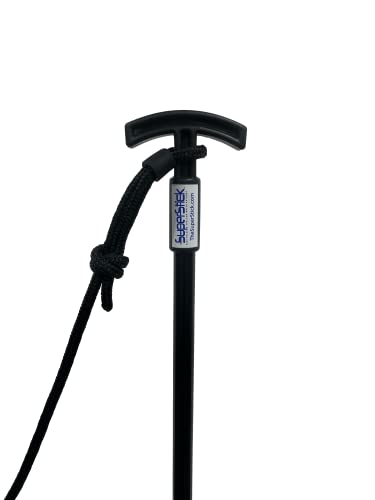
The SuperStick 3/4″ x 8′ anchor pin features a stainless steel spike tip designed to resist wear and splintering, aiding easier anchoring in varying soils. This model is best for boats that need a robust, straightforward shallow-water anchor. Use this when you expect moderate to firm bottoms and want a traditional spike approach. A potential limitation is tip wear in very soft or sandy bottoms over repeated use.
Pelican Anchor and Push Pole – 8 ft
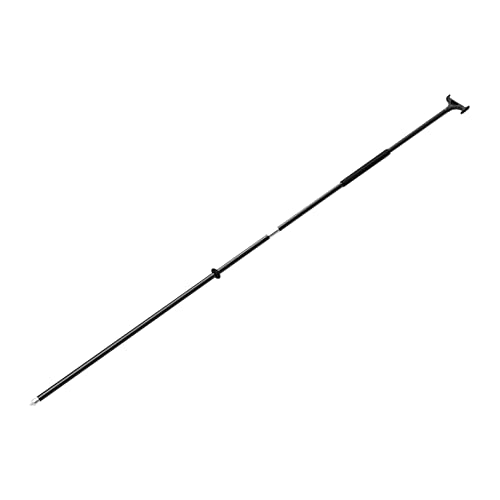
Pelican combines an ergonomic foam-lined handle with a two-piece fiberglass shaft and an integrated hook. It serves as a practical push pole with anchor capabilities for shallow waters, where a comfortable grip and easy handling matter. This option is better for casual boaters who value versatile use and easy storage. A caveat is the need to ensure the rope remains secure on the shaft’s two-piece joint during operation.
Itayak 8.63′ Shallow Water Anchor Pole

Itayak offers an 8.63′ two-piece fiberglass pole with a 316 stainless tip, designed for strong penetration in shallow waters. The two-piece screw-lock design reduces detachment risk and facilitates storage. It is ideal for boaters who need reliable depth and corrosion resistance. A caution: handling can release fine glass fibers, so protective gloves are recommended during setup and transport.
Island Anchor – 1″ x 8′ Shallow Water Pole

The Island Anchor Pole uses a thick hardened fiberglass construction with a 316 stainless steel tip and a rugged T-handle for driving. It is designed for larger boats and harsher conditions, delivering heavy-duty performance. Best for saltwater environments and rough bottoms, but it is heavier and may take more effort to maneuver and store.
Sailpref 8.63′ Shallow Water Anchor Pole

Sailpref’s 8.63′ pole blends fiberglass reinforced PA66 with carbon fiber connectors and a 316 stainless tip. It offers extended reach and a solid, corrosion-resistant build. This option suits boaters who need long reach and reliable performance across varied sand and clay bottoms. A note: proper anchoring depth guidance helps achieve the best results.
Buying Guide: How To Choose The Right Spud Pole For Your Boat
What length do you need? For shallow waters, longer poles extend reach and provide better depth penetration. Consider your boat size and typical water depth to balance reach with manageable weight.
What material matters? Fiberglass and stainless steel tips resist rust and wear. Look for corrosion-resistant tips (316 stainless) and strong shafts to withstand beachy or sandy bottoms.
Two-piece versus single-piece design? Two-piece poles are easier to store and transport, but ensure the connection remains secure during use. Screw-lock connections reduce detachment risk compared to traditional threaded joints.
Grip and handling? An ergonomic handle or T-handle improves leverage in windy or choppy conditions. Foam-lined grips add comfort for extended use and reduce slipping.
Bottom compatibility? Some poles advertise saltwater use, while others excel in sand, clay, or rocky bottoms. Match the tip design to your primary bottom type to maximize holding power.
Maintenance and safety? Inspect tips for wear, and wear protective gloves when handling fiberglass-reinforced poles. Clean and dry after use to reduce corrosion risk.
FAQ
- What is a spud pole used for? It is used to anchor boats in shallow waters by driving a pole into the bottom to hold position.
- Is longer always better? Longer poles provide greater reach but are heavier. Choose length based on typical water depth and storage capabilities.
- What material lasts longest? Poles with fiberglass construction and 316 stainless tips tend to resist corrosion and wear in saltwater environments.
- How to store a two-piece pole? Disassemble into two parts and keep in a dry, cool place to extend life and prevent joint loosening.
- Can I use any pole for sandy bottoms? Some poles are optimized for soft sand, while others excel on clay or hard-packed substrates. Check the bottom compatibility before purchase.
- Do I need gloves when handling the pole? Yes, especially when handling fiberglass-reinforced parts or sharp tips, to prevent splinters or cuts.