Best Pontoon Boat Seat Upholstery Kits for Quick DIY Repairs
When boaters need durable, easy-to-use repair options for pontoon seat upholstery, the right kit makes all the difference. This guide highlights five reliable products that tackle common issues like torn vinyl, seam splits, and worn leather or faux leather on pontoon seats. Each kit is chosen for ease of use, material compatibility, and clear, repair-friendly results. This selection suits DIY boat owners, weekend sailors, and rental fleet operators who want fast, professional-looking fixes without specialized tools.
Summary of selected products
| Product | Best For | Key Benefit |
|---|---|---|
| Finyl Fix Seam Stitch Repair Kit | Seam tears on vinyl, leather, canvas | All-in-one kit for quick seam repairs |
| SBWLKJ Marine Vinyl Fabric | Outdoor boat seats and upholstery | Marine-grade vinyl that’s UV and water-resistant |
| SARANDAVE Marine Vinyl Fabric | Large projects and accent pieces | Wide, 54″ fabric with durable outdoor specs |
| Better Boat Repair Tape | Temporary or quick fixes on rips and holes | Heavy-duty, weather-ready patch tape |
| ILFYCOTO Leather Repair Patch Tape | Leather or faux leather damaged areas | Self-adhesive patches for fast restoration |
Finyl Fix Seam Stitch Repair Kit

What it is: A versatile repair kit designed to fix seam damage on vinyl, fabric, leather, and heavy canvas. The kit includes thread, needles, awls, and rips stitching tools to address tears along seams on boat seats, furniture, and car upholstery. Best for: DIYers who encounter frequent seam splits or need a portable, all-purpose repair set. Why selected: It provides a complete, self-contained solution for interior repairs, enabling repairs at home or on the go. Caution: The kit’s effectiveness depends on proper stitching technique and fabric compatibility with the chosen thread weight.
Who it’s best for: Pontoon owners who want a dedicated, ready-to-use sewing and patch kit for vinyl seats, panels, and cushions. Why: It covers multiple repair steps—stitching, needlework, and seam reinforcement—reducing the need for separate tools. Limitation: For larger rips or structural fabric damage, professional reupholstery may still be required.
SBWLKJ Marine Vinyl Fabric 55″×108″

This fabric is designed for outdoor marine use, featuring UV resistance, water resistance, and durability suitable for pontoon seat coverings. Best for: Replacing large sections of seat upholstery or creating new cushions where large swaths of vinyl are needed. Why selected: The wide, heavy-duty material reduces seaming complexity when upgrading upholstery. Caution: Vinyl colorfastness and texture should be matched to existing cushions for a cohesive look.
Who it’s best for: Boat owners planning a full or partial upholstery refresh that requires long, uninterrupted fabric panels. Why: The 54-inch width minimizes joins on broad seat backs or benches. Limitation: Cutting and sewing vinyl requires basic tools and practice; beginners may prefer smaller patches or professional assistance for large areas.
SARANDAVE Marine Vinyl Fabric 36″×54″ (Grey)

A ready-to-use marine vinyl fabric option with strong outdoor performance. Best for: Smaller repair projects or adding new accents to pontoons with durable, water-ready material. Why selected: It offers a practical cut size and marine-grade durability that withstands sun exposure and moisture. Caution: Color and texture consistency should be checked against existing upholstery to ensure a uniform look.
Who it’s best for: Pontoon owners who want to patch or refresh areas without purchasing full-width vinyl sheets. Why: The one-yard cut provides flexibility for tailored repairs and custom patches. Limitation: Surface preparation is essential; apply on clean, dry surfaces for best adhesion and appearance.
Better Boat Repair Tape for Fabric and Vinyl

What it is: A 30-foot repair tape designed to seal rips and holes on contact for vinyl, canvas, tarp, and other fabrics. Best for: Quick, weather-resistant patching on pontoon seats, bimini tops, or covers when you want an immediate fix. Why selected: It bonds to a wide range of materials and does not require heat or tools. Caution: It’s a patch solution and may not match color or texture exactly; over time, it may peel in high-stress areas or heavy sun exposure.
Who it’s best for: Boat owners seeking an easy, temporary-to-mid-term repair option on damaged upholstery or covers. Why: The patch tape offers a fast remedy between more permanent upholstery work. Limitation: Not ideal for large tears or high-traffic seams that require stitching or replacement panels.
BAGERLA Upholstery Repair Sewing Kit

What it is: A heavy-duty sewing kit with multiple needles, thread cords, awls, seam rippers, and tools for upholstery repairs. Best for: Hand-stitching repairs on vinyl, leather, and canvas seats or cushions. Why selected: The kit provides a broad set of sewing essentials in one package, suitable for both beginners and experienced DIYers. Caution: It requires practice to achieve neat, durable stitches on thick upholstery materials.
Who it’s best for: Pontoon owners who prefer to tackle stitching repairs themselves and want a complete toolset that covers most typical upholstery tasks. Why: It reduces the need to source individual parts separately. Limitation: Some users may need additional supplies like fabric adhesive or edge finishing tools for best results.
Boat Erasers 3-Pack by Better Boat
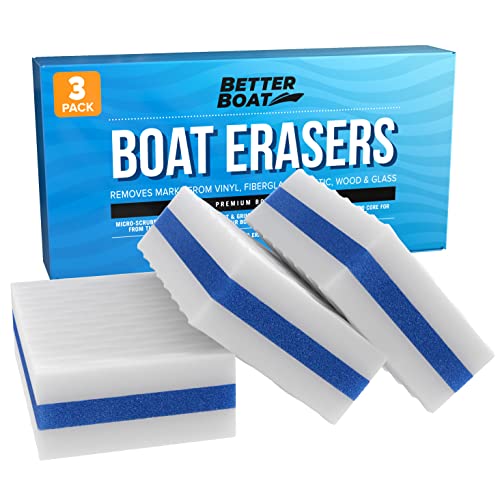
What it is: A cleaning sponge designed to remove scuffs, salt, grease, and grime from fiberglass, vinyl, and gelcoat surfaces. Best for: Post-install cleanup, pre-repair prepping, and maintaining clean, attractive upholstery. Why selected: Clean surfaces improve adhesion for patches and patches. Caution: It’s a cleaning tool, not a repair kit, so use it before applying patches or upholstery adhesives.
Who it’s best for: Pontoon owners who want to maintain a pristine interior and prepare surfaces prior to repairs. Why: The original Boat Eraser is known for durable performance and reliability. Limitation: It does not address fabric tears or repairs directly.
Buying Guide: Pontoon Seat Upholstery Repair Essentials
What to consider when choosing upholstery repair tools for a pontoon:
- Material compatibility: Vinyl, leather, faux leather, and canvas respond differently to patches, adhesives, and stitching. Choose products designed for your seat materials.
- Repair scope: For small tears and scuffs, patch tapes and self-adhesive patches work well. For larger rips or seams, a sewing kit or professional reupholstery may be necessary.
- Durability and outdoor exposure: Marine-grade fabrics and adhesives are preferred for sun, salt, and moisture exposure typical of pontoon boats.
- Ease of use: Beginners benefit from all-in-one repair kits and patch tapes that require minimal tools. More advanced users can use sewing kits for longer-lasting repairs.
- Color and texture matching: Consider color-fastness and texture to maintain a cohesive look after repairs.
- Maintenance plan: Regular cleaning and protective coatings can extend upholstery life and reduce future repairs.
FAQ
- Q: Which repair kit is best for a large penny-sized tear on a pontoon seat?
- A: A vinyl repair tape or a large leather repair patch combined with patch reinforcement works well for patches that are wider than typical seams. For deep or structural rips, consider a patch plus stitching or panel replacement.
- Q: Can I use the same kit on vinyl and leather seats?
- A: Yes, many kits are designed for multiple materials, but verify compatibility with your exact fabric type before applying.
- Q: How long do repairs last outdoors on pontoon seats?
- A: Durability depends on material, adhesive strength, and exposure. Marine-grade products tend to last longer under sun and salt.
- Q: Do I need tools to apply patch tapes?
- A: Patch tapes generally require no tools beyond surface cleaning. Some projects may benefit from a flat tool to smooth edges.
- Q: Should I replace entire seat panels for better results?
- A: Replacing entire panels is advisable for extensive damage or when color matching is critical for the boat’s appearance.