Best Epoxy for Boat Floor: Top Selections for Durable, Weather-Resistant Finishes
For boat floors, epoxy coating provides a durable, water-resistant, and easy-to-clean surface that helps prevent moisture damage and wear. This guide highlights epoxy systems that are well-suited for marine environments, including table-top style epoxies for overlays and higher-adhesion marine resins for coatings, laminates, or repairs. The featured products are chosen for clarity, UV stability, and practical workability. Whether you’re refinishing a cockpit floor, a deck, or a interior surface, these options offer reliable performance for boat owners and professional refurbishers alike.
The top picks below are categorized by their strongest use cases: decorative clear coatings with a glassy finish, durable bonding and laminating systems for wood and fiberglass, and large-workload epoxy kits for bulk projects. Each product is described with who it’s best for and why it was selected, plus a practical caution if relevant.
Product Quick Reference
| Product | Best For | Notes |
|---|---|---|
| TotalBoat Table Top Epoxy Resin Kit – 1 Gallon | Owners seeking a crystal-clear, high-gloss surface for tabletops, countertops, or light-duty boat deck overlays | 1:1 mix; UV-resistant; self-leveling |
| TotalBoat 5:1 Marine Epoxy Resin Kit | Builders and restorers requiring strong bonds, laminating, and reliable marine performance | Ideal for bonding to wood and composites; multiple sizes |
| TotalBoat High Performance Epoxy Kit | Woodworking and boat-building projects needing clear, non-blushing coating | 2:1 mix; low odor/VOCs; multiple hardener choices |
| TotalBoat Table Top Epoxy Resin Kit – 2 Gallon | Bulk clear coatings for large surfaces on boats or markets needing a glossy finish | 1:1 mix; UV-resistant; self-leveling |
| Long-lasting, non-yellowing finishes for tables, river tables, and boat surfaces | 3× UV protection claim; 1:1 ratio; automatic defoaming |
TotalBoat Table Top Epoxy Resin Kit – 1 Gallon

Best for: boat owners who want a clear, high-gloss overlay on wood floors, counters, or table surfaces. The resin’s self-leveling formula helps achieve a smooth finish with minimal brush marks, making it suitable for light-to-moderate traffic areas on a boat interior.
Why selected: Crystal-clear, UV-resistant finish with a simple 1:1 mix ratio. It cures at room temperature and resists heat, moisture, and yellows over time, keeping surfaces looking new during marine use.
Limitation: Suitable for up to about 1/4″ per pour in a single layer; thicker sections require multiple coats with adequate curing between layers.
TotalBoat 5:1 Marine Epoxy Resin Kit

Best for: serious boat builders and restorers needing strong bonding, fiberglass wetting, and durable laminations. This kit is well-suited for bonding to wood, fiberglass, and carbon fiber surfaces on boats and trailers.
Why selected: A versatile system that bonds well to multiple substrates and supports wet-out of fiberglass cloth. It covers bonding, filleting, coating, and laminating tasks in a marine setting.
Caution: Pot life and cure times vary with hardener choice; plan work sequence accordingly to avoid premature setting in exposed environments.
TotalBoat High Performance Epoxy Kit
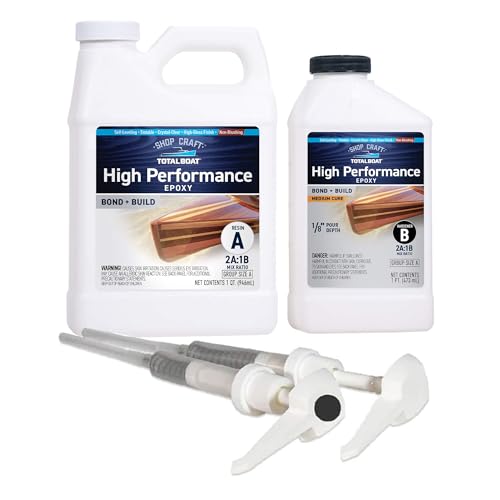
Best for: projects requiring a clear, non-blushing coating with minimal maintenance. Ideal for wooden boat components, laminations, and repairs where a safe, BPA-free cured surface matters.
Why selected: It uses a non-blushing hardener and offers a straightforward 2:1 resin-to-hardener mix. Low odor and low VOCs enhance indoor use aboard vessels and in workshops near boats.
Limitation: For heavy use areas, consider additional coats or a protective topcoat to maximize impact resistance and water exposure tolerance.
TotalBoat Table Top Epoxy Resin Kit – 2 Gallon

Best for: larger yacht interiors or boat decks where a generous gloss, high-build coating is desired over more expansive areas.
Why selected: The same 1:1 mixing ratio and self-leveling behavior apply, but the larger quantity makes it practical for bulk coatings without frequent restocking. It remains UV-resistant and durable for marine conditions.
Limitation: Handling larger volumes requires proper ventilation and storage space to maintain resin quality and safety.
TAKIMO 1 Gallon Epoxy Resin Kit

Best for: boat owners and woodworkers seeking a long-lasting, crystal-clear finish with strong UV resistance on tables, countertops, and decks exposed to sunlight.
Why selected: A 1:1 ratio with claims of three times UV protection helps slow yellowing in sunlit areas aboard boats. The kit includes automatic defoaming to reduce bubbles for a smoother surface.
Caution: Real-world UV resistance depends on preparation, coat thickness, and subsequent topcoats; follow layering guidelines for maximum clarity and durability.
Buying Guide
What to consider before buying epoxy for boat floors
- Application surface: Wood, fiberglass, or composite surfaces require specific adhesion and viscosity characteristics. Some epoxies wet out better on wood, while others excel on fiberglass laminates.
- UV stability: Marine environments demand clear coatings that resist yellowing from sun exposure. Look for UV-resistant or UV-stable formulas.
- Mix ratio and working time: 1:1 systems are straightforward, but 2:1 or 5:1 systems offer different pot lives. Consider your project pace and climate when choosing.
- Gloss and hardness: High-gloss finishes look great but may show application imperfections. Consider fall-back topcoats for abrasion resistance on foot traffic areas.
- Safety and emissions: Low odor and low VOC options are preferable for indoor shop use. BPA-free cured products can be safer for some projects and food-contact considerations where applicable.
What surface preparation matters most
- Clean and dry surfaces remove oils, waxes, and moisture that prevent proper adhesion.
- Lightly sand rough areas to improve mechanical bonding, then wipe away dust before applying epoxy.
- Fill cracks or gouges with compatible filler before coating to achieve a uniform surface.
How to plan layers and thickness
- Follow recommended pour depth per coat (often up to 1/4″ for tables; 1″ for molds may be possible with deep pours in some systems).
- For large areas, multiple thin coats with appropriate cure times typically yield a stronger, more even finish.
- Consider a clear topcoat or barrier coat for extra protection in high-traffic or wet areas aboard boats.
Maintenance and longevity tips
- Avoid harsh cleaners; use mild detergents and a soft cloth to prevent micro-scratches on the gloss surface.
- Inspect for micro-cracks and yellowing; recoat or repair as soon as issues appear to prevent deeper damage.
- Ventilate during application and cure; follow all manufacturer safety instructions.
FAQ
- Q: Which epoxy is best for a boat deck coating? A: Marine-grade or high-build epoxies with UV stability and good abrasion resistance are preferred for decks. Consider a 2:1 or 1:1 system based on your project size and climate.
- Q: Can epoxy be used over stained or painted wood? A: Yes, with proper surface preparation and compatible adhesion; ensure the substrate is clean, dry, and scuffed for bonding.
- Q: Do epoxies require a topcoat? A: Topcoats can add UV protection, chemical resistance, and additional wear resistance, especially on exposed surfaces aboard boats.
- Q: How thick should an epoxy coating be on a boat floor? A: Typical pour depths range from 1/8″ to 1/4″ per coat for overlays; thicker sections require careful planning and possibly multi-coat applications.
- Q: Are there any safety concerns with epoxy use on boats? A: Use in well-ventilated spaces, wear gloves and eye protection, and follow each product’s safety data sheet for handling and curing recommendations.
- Q: How long does epoxy take to cure in marine environments? A: Cure times vary by formula and temperature; consult the product data sheet for pot life and cure times relative to your working conditions.