Best Trolling Motor Choices for Your Boat in 2026: Easy Picks by Use Case
Choosing a trolling motor boils down to power needs, boat type, and how you fish. This guide highlights five solid options, each suited to different anglers—from casual pond fishing to saltwater trolling on larger skiffs. The selected models emphasize reliability, ease of use, and practical features. The buyer-friendly notes below explain who each motor is best for and why it’s a strong pick for that scenario. A quick summary table helps you compare key points at a glance.
| Product | Best For | Key Benefit |
|---|---|---|
| Minn Kota Endura C2 40 Lb | Freshwater anglers seeking durability | Solid thrust with simple controls |
| Newport NV-Series 62 Lb | Saltwater and larger boats | Strong power and adjustable mounting |
| Minn Kota Endura C2 30 Lb | Compact setups | Compact size with reliable performance |
| Newport NV-Series 55 Lb | Mid-size boats in varied waters | Balanced thrust and efficiency |
| PEXMOR 26 Lb | Kayaks and small craft | Lightweight, compact control |
Minn Kota Endura C2 Transom-Mount 40 Lb Thrust
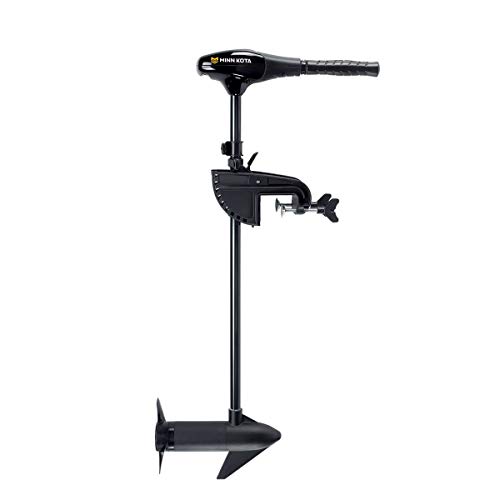
The Minn Kota Endura C2 40 Lb is a transom-mount electric trolling motor designed for freshwater boats. With a 36-inch shaft and a reliable propeller system, it emphasizes straightforward operation and dependable performance in calm to moderate waters. The telescoping tiller improves comfort during long days on the water, and the built-in battery meter helps track charge levels without leaving the cockpit. This model suits anglers who want a proven, no-frills motor that’s easy to install and maintain.
Best for: Freshwater anglers who prioritize reliability and simple setup over advanced sonar or GPS features. It’s a solid upgrade for boats that need steady trolling without extra complexity.
Why chosen: Its durable construction and familiar control layout make it a practical entry point for boaters upgrading from manual trolling or older motors. The 40-pound thrust provides ample power for many medium-sized boats in calm to moderately windy conditions.
Limitations: Lacks built-in GPS or advanced sonar; best paired with basic fishing setups and simple navigation needs.
Newport NV-Series 62lb Transom Mounted

The Newport NV-Series 62lb trolling motor targets saltwater and larger craft with superior thrust and durability. It features a 36-inch shaft, a 5-LED battery meter, and 3-blade propeller with adjustable mount settings. The motor’s eight-speed range (5 forward, 3 reverse) supports varied water conditions, and the ability to lock height and angle helps optimize visibility and control in choppy seas. This model is well-suited for saltwater boats or bigger freshwater boats that require reliable power for trolling through stronger currents.
Best for: Saltwater boats or larger freshwater vessels needing robust thrust and versatile mounting options. It’s a better choice when you expect tougher water and longer trolling sessions.
Why chosen: The higher thrust paired with adjustable settings gives you confident control in demanding conditions, reducing the need to switch motors for different water scenarios.
Limitations: Heavier and more expensive than smaller, lighter models; installation may require more space and hardware compatibility checks.
Minn Kota PowerDrive Bow-Mount GPS Trolling Motor

Powered by GPS with Spot-Lock and Dual Spectrum Chirp Sonar, this bow-mount trolling motor combines precise control with advanced fish-finding tools. It supports navigation features that help maintain position, adjust speed, and maneuver around structure. The Deploy-Assist lever simplifies deployment, while the concealed transducer components protect sonar equipment. This option is best for anglers who want automated position maintenance and enhanced sonar visibility for locating fish and structure.
Best for: Experienced freshwater anglers who want GPS-assisted trolling with sonar for locating fish and underwater features.
Why chosen: The GPS Spot-Lock and integrated sonar capabilities streamline staying on a productive spot without constant manual adjustments.
Limitations: Higher price and more complex setup; may require compatible boat mounting and installation considerations.
Newport NV-Series 55lb Transom Mounted
This Newport NV-Series model delivers a balanced mix of thrust and efficiency across varied boating scenarios. With a 36-inch shaft and eight speeds, it provides flexible trolling performance for mid-sized boats. The 3-blade propeller offers solid low-end torque for getting moving and then maintaining position during slow trolling. Adjustable mount features allow quick customization for optimal line of sight and control in different water bodies.
Best for: Mid-sized boats where you want steady performance without specialized GPS or sonar. It’s a dependable all-around option for diverse conditions.
Why chosen: The combination of descent thrust and straightforward operation makes it a versatile pick for many anglers who don’t need premium electronics.
Limitations: Lacks GPS features; you’ll rely on traditional steering for precise positioning in heavy currents.
PEXMOR 26 Lb Trolling Motor

The PEXMOR 26 Lb model is a lightweight option focused on smaller boats, kayaks, and compact fishing platforms. It features five forward and three reverse speeds, a six-inch telescoping handle, and a 6-inch adjustable depth/angle mechanism. The LED indicator provides a quick status check, and the unit is designed for reliable operation without added bulk. This motor is best for anglers who need a portable, easy-to-store trolling motor for flat-water use.
Best for: Kayaks, inflatables, and small boats needing a compact, easy-to-handle motor for casual lake fishing.
Why chosen: Its light weight and simple control scheme make it ideal for users prioritizing portability and straightforward operation.
Limitations: Lower thrust means it’s less suitable for larger boats or heavy chop; expect slower response in windy conditions.
Buying Guide
Key purchase considerations include thrust level, shaft length, mounting style, and additional features. Thrust should match your boat size, weight, and typical water conditions. Longer shafts help keep the propeller in clear water and prevent cavitation on rough days. Transom-mount versus bow-mount decision affects steering feel, mounting complexity, and space on your boat. For novices, a model with a simple tiller and battery indicator reduces setup time. Saltwater boats benefit from models designed to resist corrosion and depth adjustments for changing tides.
Other practical questions to guide your choice:
- What activities will you primarily use the trolling motor for (lakes, rivers, saltwater bays)?
- Do you need GPS and sonar integration, or is manual steering sufficient?
- How important is portability and storage space for your boat?
- What is your boat’s weight and the motor’s thrust compatibility?
- Is ease of maintenance and corrosion resistance a priority?
Frequently Asked Questions
- What is a good starting thrust for a small freshwater boat? – For small to medium freshwater boats, 30-40 lbs thrust is a common starting range, with higher thrust recommended for larger vessels or windy conditions.
- Do trolling motors require GPS to be effective? – No, GPS is optional. It adds convenience for spot-locking and navigation but basic trolling can be effective with manual steering.
- Is a longer shaft better? – Longer shafts help prevent the prop from hitting the boat hull in choppy water, but require more space for mounting. Choose based on water depth and hull height.
- Can I replace a trolling motor on my existing mount easily? – Compatibility depends on mounting hardware and shaft length. Check your boat’s transom dimensions and mounting pattern.
- What maintenance is required for saltwater trolling motors? – Rinse with fresh water after use, inspect seals and wiring, and ensure corrosion-resistant hardware is maintained.
- Should I buy a bow-mount or transom-mount trolling motor? – Bow-mount offers precise steering and better control for deep-water trolling; transom-mount is typically easier to install and use for smaller boats.